
Ajna Chakra Practice
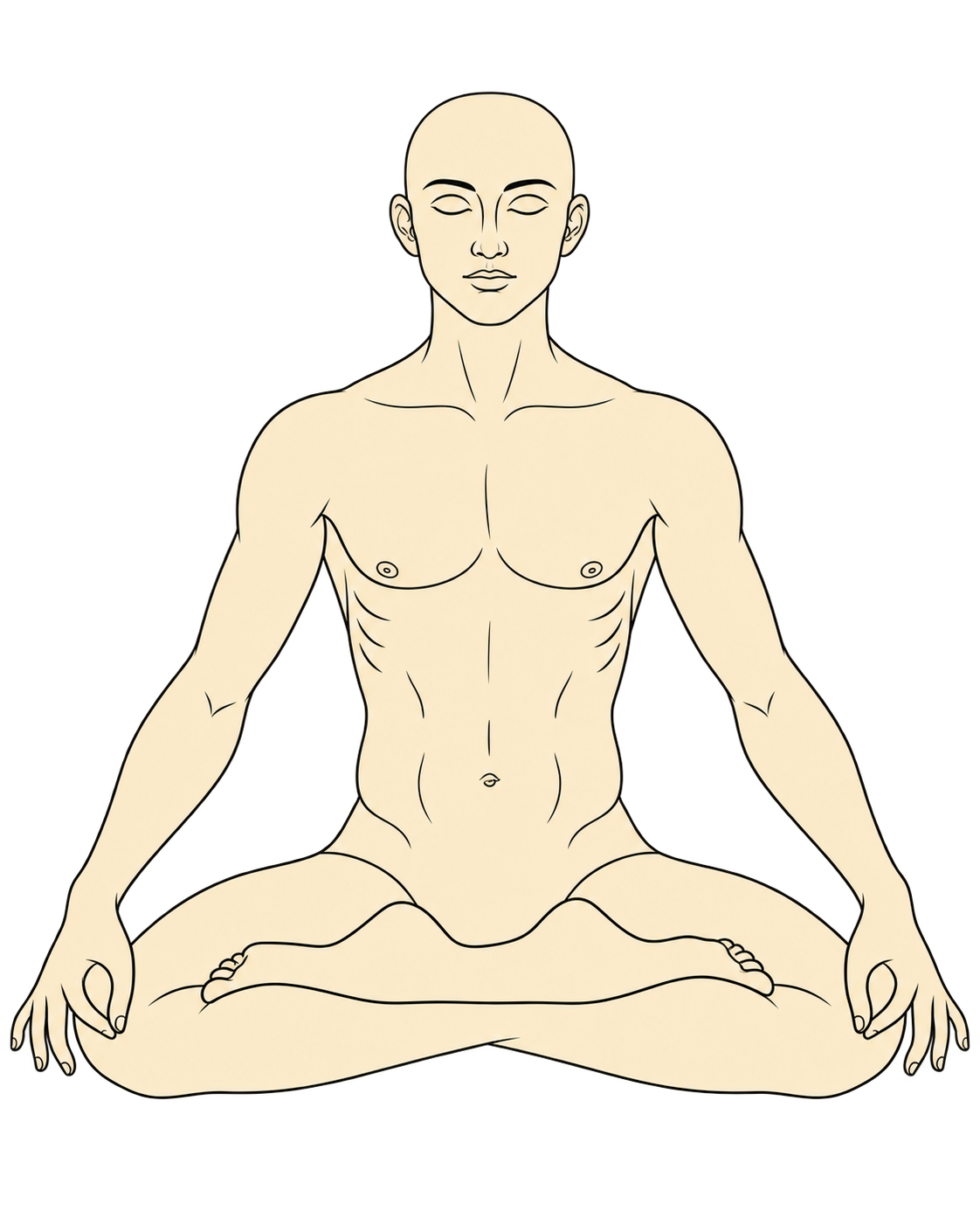
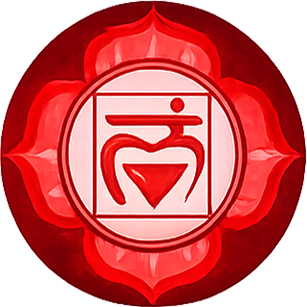
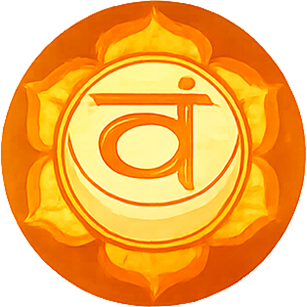
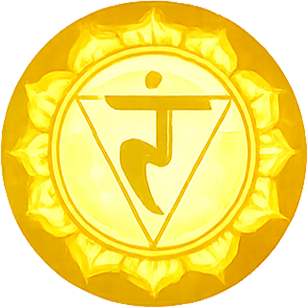
Use the animated body map to follow breath, focus and energy movement. Choose a precise Ajna session or a full seven-chakra flow with a more alive visual experience.

Membership required
Ajna Chakra Practice is a paid VoxFati tool. Activate Weekly Access or Monthly Membership to start guided sessions, save History and use Community sharing.
Unlock accessAbout Ajna Chakra Practice
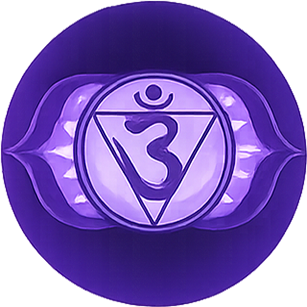
Ajna is traditionally described as the sixth chakra and is commonly associated with the space between the eyebrows. In yogic and tantric traditions it is often called the “third-eye” centre and is linked symbolically with inner awareness, insight, concentration and intuition.
The chakra system developed within Indian spiritual traditions over many centuries. Ajna appears in later tantric and yogic teachings as an important centre of focused awareness, meditation and inner perception. Different schools describe its symbolism and practices in slightly different ways.
Ajna meditation is traditionally used to strengthen concentration, quiet mental distraction and encourage deeper self-observation. Many people use this kind of practice as a structured way to slow down, focus inward, reflect and create a calmer meditative state.
The practice begins with guided alternate-nostril breathing, then moves through focused repetition of HAM, KSHAM and OM, followed by quiet observation. The animated figure shows where to place attention and when to inhale, exhale, sound the mantra and become still.