
How to Explore Tarot Card Meanings by Comparing Upright and Reversed Cards
Understanding how Tarot card meanings change when a card appears reversed can deepen your readings. This post guides beginners through simple ways to compare upright and reversed interpretations using clear examples and practical tips.
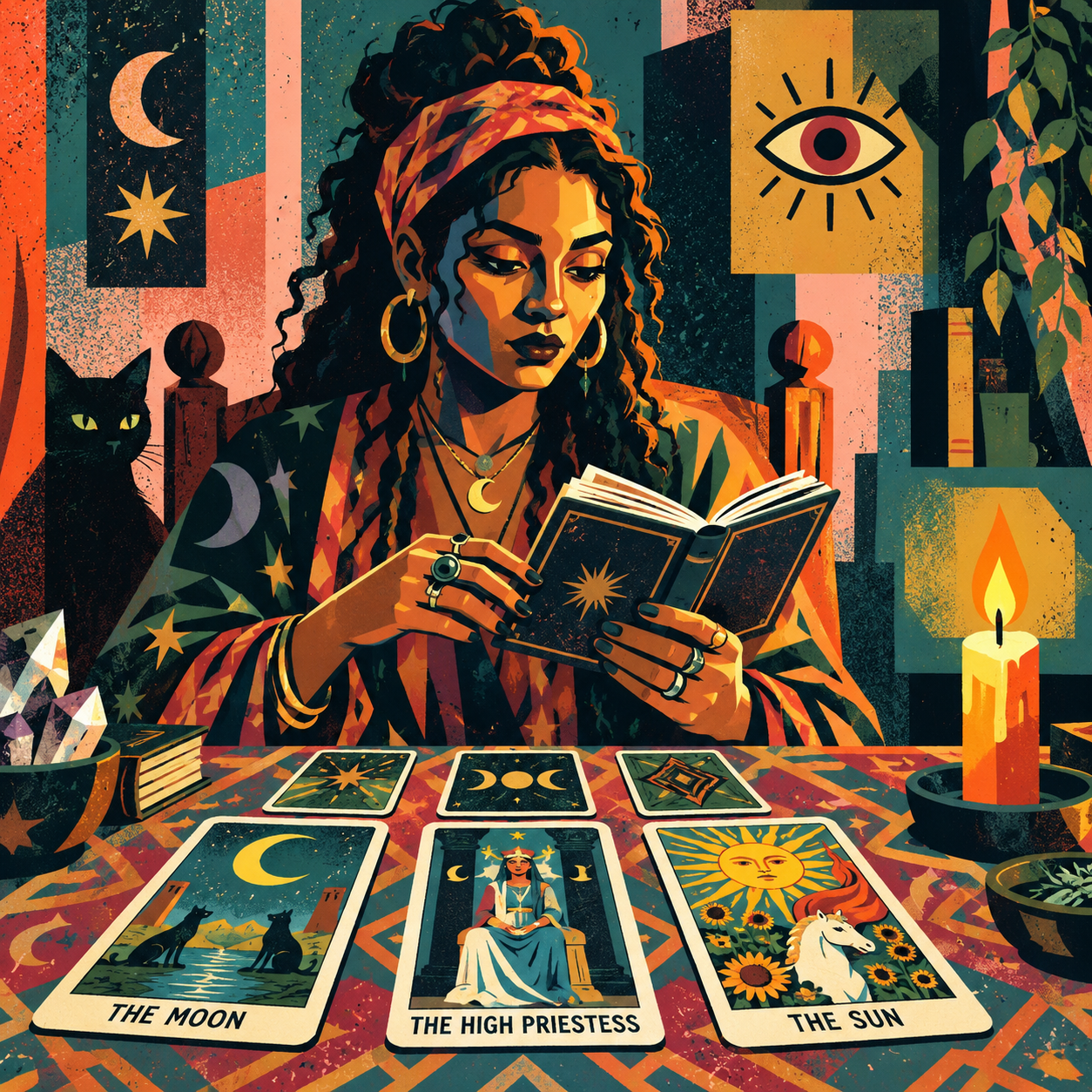
When beginning your Tarot journey, one of the common challenges is understanding what it means when a card appears reversed, or upside down, in your reading. Many new readers wonder if reversals make the card’s meaning negative, opposite, or more complex. Learning to compare upright and reversed meanings can provide richer insights and help you read with confidence.
What Does a Reversed Tarot Card Mean?
A reversed card doesn’t always mean something bad or negative. Instead, it often suggests a different energy or nuance related to the card’s upright meaning. Sometimes it shows a delay, a blockage, an inner reflection, or a need to pay closer attention to the card’s message. Understanding this will help you avoid jumping to conclusions and develop a balanced view.
Beginner Friendly Approach to Upright and Reversed Meanings
Start by learning the main upright meaning of each card first. For example, the Strength card upright stands for courage, patience, and inner power. When reversed, it might indicate self-doubt, frustration, or a need to nurture your inner strength. Notice how the reversed meaning doesn’t contradict the upright but adds a different angle.
Simple Steps to Practice
1. Choose one card to study each day, first upright and then reversed.
2. Write down your own thoughts about what the card’s message is in both positions.
3. Use real-life questions or situations to see which meaning makes more sense in context.
Example Practice
Suppose you pull the Three of Cups upright in a reading about friendship. This card suggests celebration and joy with others. If it appears reversed, it might hint at misunderstandings or feeling left out. In this way, you can use the reversal to explore challenges in relationships without assuming disaster.
Combining Upright and Reversed Cards in Readings
When multiple cards appear reversed, pay attention to whether those energies connect or contrast with the upright cards nearby. This can tell a story of both strengths and issues you might need to address. Remember, reversals add depth and invite you to look more closely.
Tips for Beginner Readers
Be patient with yourself as you learn. Keep notes about your interpretations and revisit your journal regularly. Experiment with asking questions like: ‘‘What might this card be encouraging me to notice if reversed?’’ This keeps your readings practical and relevant.
By comparing upright and reversed card meanings thoughtfully, your Tarot reading skills will grow. You’ll build confidence in handling all card positions and enjoy clearer, more meaningful readings every time.
Comments
Comments appear after approval.
Log in to comment