
How to Use Colors in Tarot Cards to Understand Their Meaning
Colors in Tarot cards convey important messages that can help beginners deepen their interpretation. Learn how to notice and use color clues to make your readings clearer and more intuitive.
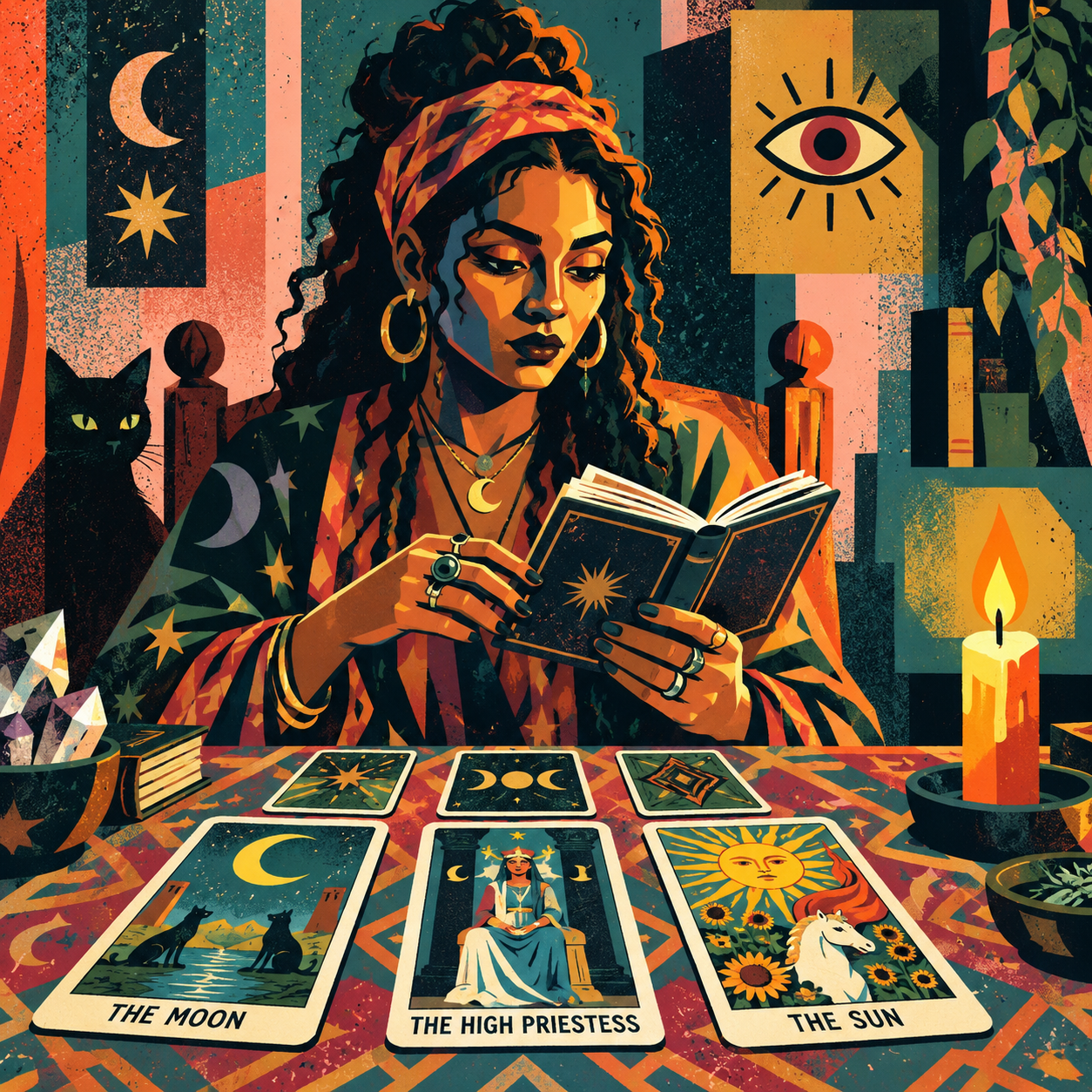
When you first start learning Tarot, it can feel overwhelming to remember the many meanings of each card. One simple and practical way to enhance your understanding is by paying attention to the colors on the cards. Colors communicate emotions, elements, and moods that can guide your interpretation in a clear and beginner-friendly way.
This post will help you recognize common colors in Tarot decks, what they generally represent, and how you can apply these insights in your readings. We will also explore real examples to show how color clues add depth and clarity.
Why Colors Matter in Tarot
Every Tarot card is a blend of symbols, numbers, and colors. While symbols and numbers give specific meanings, colors often express emotional energy and context. For beginners, noticing colors is an accessible way to connect with the cards without memorizing complex definitions.
For example, blue often signals calmness or intuition, red might suggest passion or conflict, and yellow can show clarity or optimism. These associations are not rules but helpful hints. They can confirm or add nuance to your reading.
Common Colors and Their Basic Meanings
Here are some common colors you will regularly see in Tarot cards along with easy-to-remember meanings:
- Red: Energy, passion, action, conflict, desire.
- Blue: Calm, communication, intuition, reflection.
- Yellow: Clarity, optimism, intellect, creativity.
- Green: Growth, healing, balance, abundance.
- Purple: Spirituality, mystery, transformation.
- Black: Endings, mystery, protection, the unknown.
- White: Purity, new beginnings, clarity, truth.
How to Use Colors in Your Reading
When you draw a card, take a moment to observe its dominant and secondary colors. Ask yourself how these colors make you feel and what energy they bring. Then, blend this feeling with the card’s traditional meaning.
For example, if you draw the Three of Swords, which generally means heartbreak or pain, notice the colors. If the card has a lot of red, it emphasizes intense emotions or conflict. If there is also blue, it suggests the need for calm reflection and healing.
Practical Example Using Color
Imagine you asked about your motivation to start a new project, and the card drawn is the Page of Cups. This card often signifies creativity and emotional openness. If you notice the card’s prominent blue and yellow tones, these colors suggest calm intuition (blue) and joyful clarity or inspiration (yellow). Together, they reinforce a message that your motivation is both heartfelt and positive.
Tips for Beginners
- Start by choosing a Tarot deck with vivid, clear colors. This will help you learn to associate feelings with colors easily.
- Keep a small notebook to jot down the colors you notice and your thoughts on how they influence your meaning.
- Practice with simple one-card draws, paying special attention to color mood as well as symbols.
- Over time, allow your intuition to guide you in associating colors with your personal experiences.
Summary
Colors are a friendly entry point for beginner Tarot readers to deepen their card understanding without memorizing too much information. By learning to read color clues alongside traditional card meanings, you develop a richer, more intuitive way to interpret your readings. This approach makes Tarot reading more accessible, practical, and enjoyable.
Next time you draw a card, take a moment to breathe and look carefully at its colors. Notice how they make you feel and how that feeling connects to the card’s story. This simple step will boost your confidence and clarity as you grow in your Tarot journey.
Comments
Comments appear after approval.
Log in to comment